 MineArchive

Memories of Binley Colliery oral history project
| Category | Learning |
|---|---|
| Dates | Binley Colliery production 1909-1963; Jack Clay and James Brookes killed 1947; pithead baths 1955; project 2018-2021; booklet launched December 2021. |
A community oral history project of 2018 to 2021, led by the Dunsmore Living Landscape partnership at Warwickshire Wildlife Trust with the University of Warwick's Oral History Network, that recorded Binley residents' memories of their colliery, from working pit to derelict playground to the Claybrookes Marsh nature reserve.
The mining history in this record
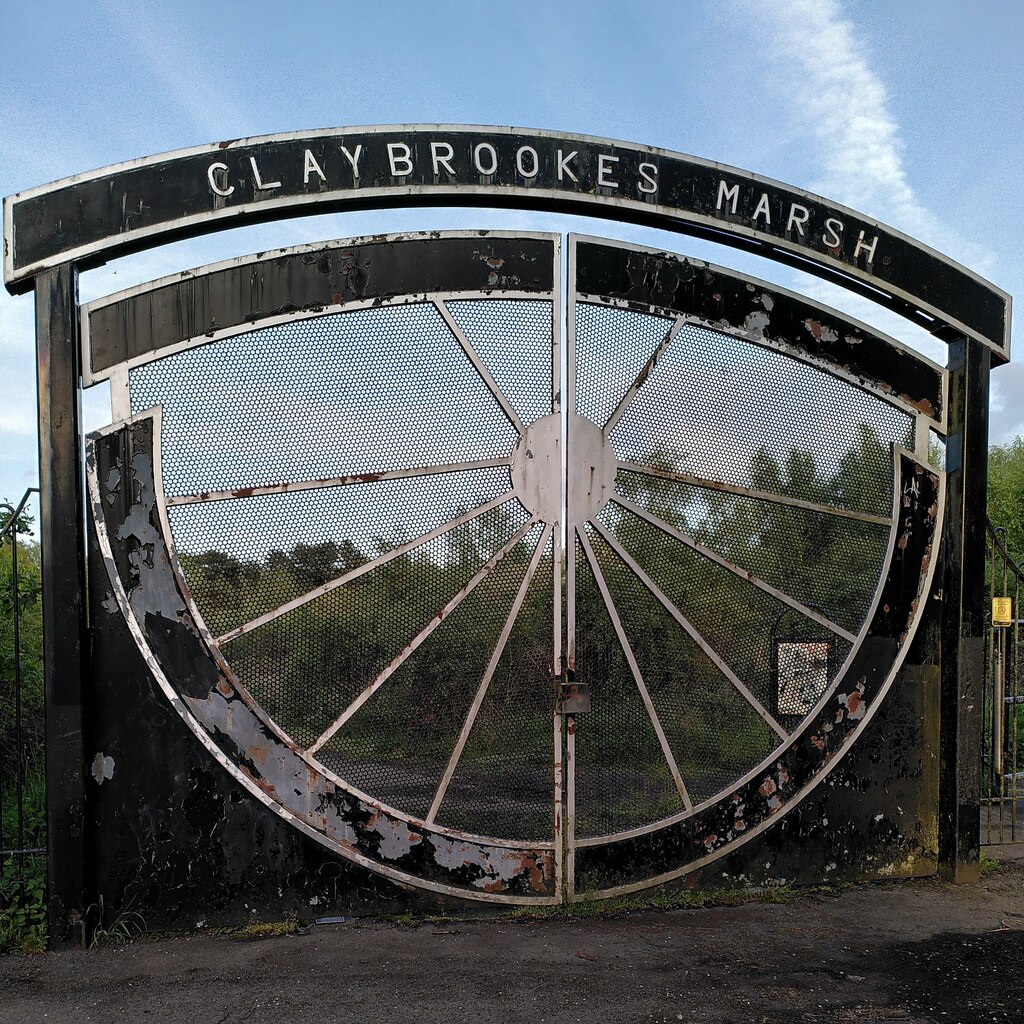
Binley Colliery, in what is now south-east Coventry, began production in 1909 and closed in 1963; the pit village grew into a suburb of the city around it. Its site later became the Claybrookes Marsh nature reserve, after local residents opposed plans to turn it into a business park, and the reserve is named after two miners, Jack Clay and James Brookes, who were killed in a roof collapse in 1947.
From 2018 the Dunsmore Living Landscape, a National Lottery Heritage Fund project, recorded interviews with residents, coordinated by the Warwickshire Wildlife Trust trainee Daniel Loveard. The Warwick Oral History Network, through Dr Pierre Botcherby, advised on interview format and ethics and found undergraduate volunteers to interview, transcribe, search the archives and help curate the booklet; some interviews were held remotely during the Covid-19 pandemic. The planned exhibition gave way to a 16-page booklet, launched in December 2021.
People
Daniel Loveard, Warwickshire Wildlife Trust trainee who coordinated the project; Dr Pierre Botcherby, Warwick Oral History Network, who supported it and wrote it up; Jack Clay and James Brookes, the miners after whom Claybrookes Marsh is named.
Legacy today
The interviews recall a diverse workforce, many from Scotland and Wales, with Burns Night celebrations and a male voice choir; miners learning their trade at a mock pit; Bevin Boys conscripted in the war; pithead baths only in 1955; injuries, gas and roof falls, and pneumoconiosis in old age; and, after closure, transfers to the hot Coventry Colliery at Keresley or to the city's car factories. They remember the social club where pints were left on a shelf for men coming off shift, children playing on the slag heap and riding the cage, and twelve double-decker buses lined up for the summer outing. Botcherby wrote the project up for the Oral History Society and in Oral History in 2024, and the booklet is online.
Recorded claims
Individual factual claims, each tagged with how solidly it's grounded and attached to the source(s) that support it. Where sources disagree, both are kept.
- Memories of Binley Colliery was a community oral history project of 2018 to 2021 led by the Dunsmore Living Landscape partnership at Warwickshire Wildlife Trust and supported by the University of Warwick's Oral History Network. (documented fact) 1,2,3
- Its outcome was a 16-page booklet, launched in December 2021. (documented fact) 1,3
- The Claybrookes Marsh nature reserve on the colliery site is named after Jack Clay and James Brookes, killed in a roof collapse in 1947. (documented fact) 4,3
- Interviewees recalled a workforce drawn largely from Scotland and Wales, with Burns Night celebrations and a male voice choir. (later recollection) 3
- Binley Colliery began production in 1909 and closed in 1963. (documented fact) 3
- Binley Colliery opened in 1911. (documented fact, disputed) 1
Mines
- Binley Colliery — Warwickshire
The project recorded residents' memories of Binley Colliery and of its site, now the Claybrookes Marsh nature reserve.
Real-world mining concepts used here
Cage, Colliery, Pithead Baths, Roof Fall
Sources
- (secondary) Memories of Binley Colliery (University of Warwick Oral History Network) — University of Warwick
- (secondary) Memories of Binley Colliery - an oral history project (Dunsmore Living Landscape) — Dunsmore Living Landscape
- (secondary) Coal and community: an oral history of Binley Colliery (Pierre Botcherby, Oral History Society) — Oral History Society
- (secondary) Binley Coal Mine (Dunsmore Living Landscape) — Dunsmore Living Landscape
Record created: 23 October 2026 · Last researched: 25 October 2026