 MineArchive
New Arley, the colliery company's village
| Category | Labour |
|---|---|
| Dates | Arley Colliery Company formed 1901 (1902 in the Victoria County History); shafts sunk to the Two Yard seam at 957 ft; production from the end of 1905; houses built on Fir Tree Farm through the 1920s; St Michael's Church built by the company 1928; parish population 1,027 in 1911, 1,760 in 1921 and 3,751 in 1931; colliery closed 30 March 1968 |
A Warwickshire village built by a colliery company to house miners it had recruited from other coalfields: six hundred houses on the fields of Fir Tree Farm at Gun Hill, with a church the company paid for, a Roman Catholic church and a miners' welfare hall.
The mining history in this record
The Arley Colliery Company was formed in 1901 — the Victoria County History dates it to 1902 — after coal was found in the valley west of the old village, and two shafts were sunk to the Two Yard seam at 957 feet, with production in earnest from the end of 1905. The parish was too small to man a pit: miners were recruited from coalfields across the country, and because there was nowhere for them to live many lodged miles away and drifted to work nearer their homes. The labour shortage worsened through the First World War and did not end with it.
The company's answer was to build. New houses went up through the 1920s on the land that had been Fir Tree Farm, and that settlement became New Arley. By the time the Victoria County History came to the parish, the main settlement was no longer the old village around the church and the Georgian rectory but Gun Hill in the south-east, where the Arley Colliery Company, the principal landowners, had opened their pit and built a village of six hundred houses. The parish population tells the story: 1,027 in 1911, 1,760 in 1921, 3,751 in 1931.
The company built more than houses. St Michael's Church of England church, a stone building seating 250, was put up in 1928 by the colliery company; a Roman Catholic church and a Miners' Welfare Hall stood alongside it.
People
George Fowler of Basford Hall, Nottinghamshire, who founded the Arley Colliery Company and lived at Arley Hall; his son Lieutenant-Colonel G. Herbert Fowler, killed in the First World War.
Legacy today
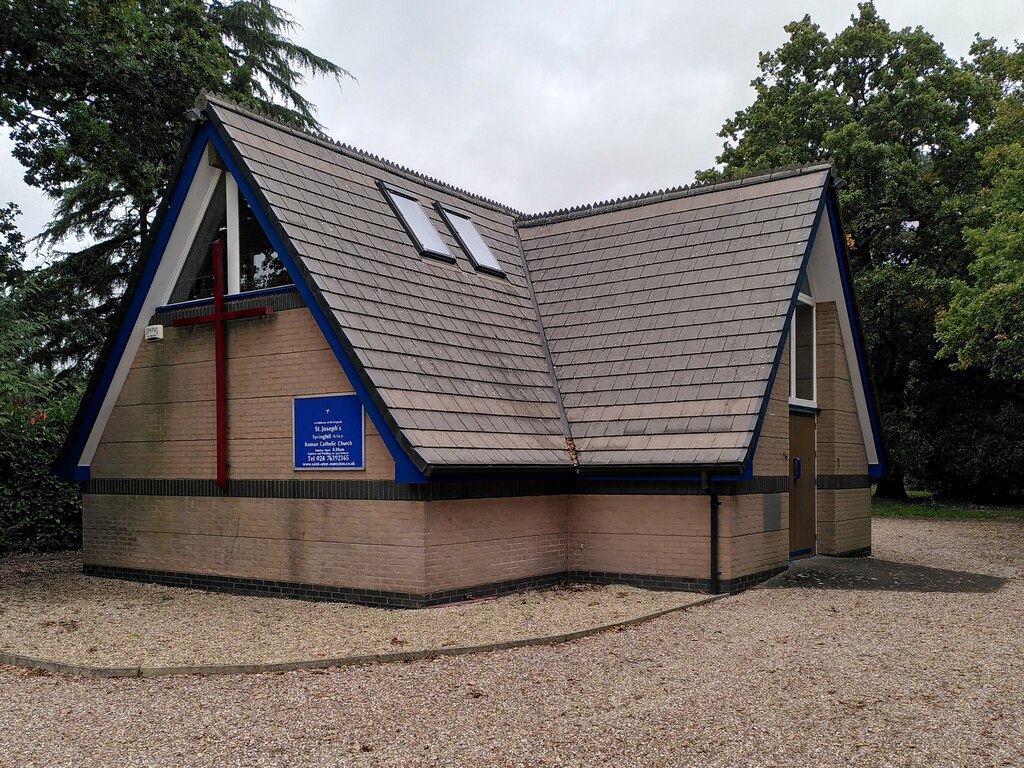
Arley Colliery had 1,500 employees and raised almost half a million tons a year by 1940, when pithead baths and a canteen were built; it was nationalised in 1947 and closed on 30 March 1968. The village it built outlived it. New Arley is still there on Gun Hill and Spring Hill, its Catholic church rebuilt in 1996 on the site of a timber church of the 1920s, and the parish that had a thousand people before the pit has kept the population the pit brought.
Recorded claims
Individual factual claims, each tagged with how solidly it's grounded and attached to the source(s) that support it. Where sources disagree, both are kept.
- Arley's population was too small to man the colliery, miners were recruited from coalfields across the country, and the lack of housing led the company to build new houses in the 1920s on the land that had been Fir Tree Farm, which became New Arley. (documented fact) 1
- The Arley Colliery Company, the parish's principal landowners, opened their pit at Gun Hill and built a village of 600 houses there. (documented fact) 2
- St Michael's Church of England church, a stone building seating 250, was built in 1928 by the colliery company; a Roman Catholic church and a Miners' Welfare Hall stood with it. (documented fact) 2
- The parish held 1,027 people in 1911, 1,760 in 1921 and 3,751 in 1931. (documented fact) 2
- The Arley Colliery Company was formed in 1901, after coal was found in the valley west of the village. (documented fact, disputed) 1
- George Fowler of Basford Hall founded the Arley Colliery Company in 1902 and lived at Arley Hall. (documented fact, disputed) 2
- Arley Colliery employed about 1,500 people and produced nearly 500,000 tons a year by 1940, was nationalised in 1947 and closed on 30 March 1968. (documented fact) 1
Mines
- Arley Colliery — Warwickshire
The village, its church and its welfare hall were built by this colliery's owners to house and hold the miners they had recruited from other coalfields.
Sources
- (secondary) Arley Colliery — Our Warwickshire, Warwickshire County Council
- (secondary) Parishes: Arley, in A History of the County of Warwick, Volume 6 (1951) — Victoria County History, via British History Online
Record created: 20 September 2026 · Last researched: 24 September 2026