 MineArchive
Washington Colliery explosion, 1796
On 12 February 1796 an explosion at New Washington colliery, County Durham, killed six people, and the colliery's F Pit was abandoned after an explosion the same year.
| Date | 12 February 1796 |
|---|---|
| Mine | Washington Colliery |
| Region | Tyne and Wear |
| Type | Explosion |
| Fatalities | 6 (Six people, not named.) |
| Context | During active mining |
Cause
An explosion.
What happened
Washington Colliery, on the north side of the Wear in County Durham, was worked in the eighteenth century by William Russell and Partners from a group of pits lettered A to I. On 12 February 1796 an explosion in the colliery, then called New Washington, killed six people. Their names are not recorded.
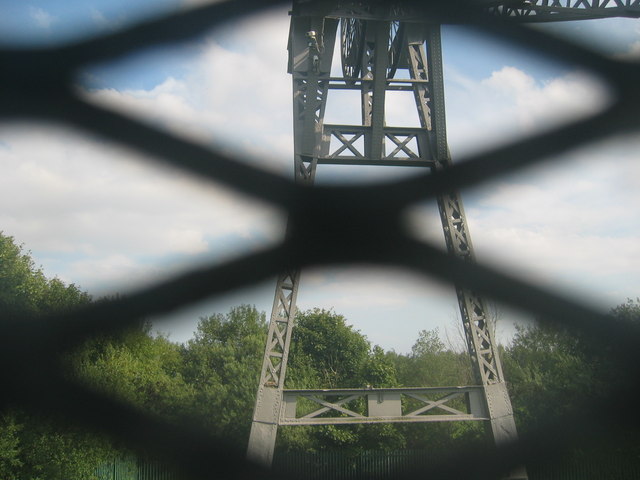
The F Pit, probably sunk in 1777, had to be abandoned after an explosion that year. Whether the six died in it is not recorded. A new F Pit was sunk nearby in 1820 and became the colliery's last working shaft; its headgear and winding house survive as a museum.
Legal & regulatory aftermath
The F Pit was abandoned after an explosion in 1796, and a new F Pit was sunk nearby in 1820.
Recorded claims
Individual factual claims, each attached to the source(s) that support it below. Where sources disagree, both are kept.
- On 12 February 1796 an explosion in New Washington colliery killed six people. 1,2,3
- The F Pit of Washington Colliery, probably sunk in 1777, had to be abandoned after an explosion in 1796, and a new F Pit was sunk nearby in 1820. 2
- The colliery belonged to William Russell and Partners and was worked from a series of pits lettered A to I. 2
Related terminology
Mining terms this disaster is structurally linked to, with the nature of the relationship.
- Colliery (contextual relationship)
Named 5 times in this record, first in the summary: “On 12 February 1796 an explosion at New Washington colliery, County Durham, killed six people, and the colliery's F Pit was…” - Headgear (contextual relationship)
Named in this record’s narrative: “…nearby in 1820 and became the colliery's last working shaft; its headgear and winding house survive as a museum.” - Shaft (contextual relationship)
Named in this record’s narrative: “…F Pit was sunk nearby in 1820 and became the colliery's last working shaft; its headgear and winding house survive as a museum.” - Winding Engine (contextual relationship)
Named in this record’s narrative: “…1820 and became the colliery's last working shaft; its headgear and winding house survive as a museum.”
Sources
- (primary) Washington Colliery — Durham Mining Museum
- (secondary) Collieries — Washington History Society
- (primary) Colliery Disaster 1796: New Washington, 12 February 1796 — Durham Mining Museum
Record created: 5 October 2026 · Last researched: 6 October 2026