 MineArchive
Oxcroft Colliery explosion, 1919
On Sunday 6 April 1919, while auxiliary fans were being moved, gas exploded in the Creswell Level district of Oxcroft Colliery, near Bolsover, killing six men. The jury found it was fired by an electric spark, probably in a switch box.
| Date | 6 April 1919 |
|---|---|
| Mine | Oxcroft Colliery |
| Region | Derbyshire |
| Type | Explosion |
| Fatalities | 6 (6 killed: three by the force of the explosion and three by carbon monoxide.) |
| Context | During active mining |
Cause
Gas that had accumulated in the district ignited by an electric spark, probably in the switch box in 87s gate.
Contributing factors
A district laid out so that air could not be coursed round a fall; auxiliary fans stopped and moved; electrical apparatus without sub-circuits; Sunday working without full statutory inspection.
What happened
Oxcroft, worked by the Oxcroft Colliery Company of Bolsover, employed 642 men and was ventilated by a surface fan with auxiliary fans along the Creswell Level, where the return ran along the coal face. A stretch of face had been standing for weeks and part of it was fenced off for gas. On the Sunday an auxiliary fan was being installed between 27s and 28s gates and a smaller one moved along the intake, and the fans had been switched off.
About 12.30 p.m. gas exploded. The deputy Elisha Whitehouse was killed by its force between 84s and 85s gates; the electrician Samuel Barke died at the face; James Taylor in the level; and the assistant electrician Eli Hunt and the stallmen John Chappell and George Randell from carbon monoxide at 90s gate. Whitehouse had made no statutory report, so whether he found the workings clear was never known. Explorers went in with a canary and electric lamps.
Rescue & recovery
Exploring parties under the undermanager went in with electric lamps and a canary to test the air.
Investigation & inquiry
The inspector, Mottram, found the district's layout not in accordance with best practice. Proceedings were taken against the agent, manager and undermanager for breaches of the Coal Mines Regulation Act, but no convictions were obtained at Chesterfield County Court.
Legal & regulatory aftermath
The jury found the explosion caused by an electric spark igniting accumulated gas, probably in the switch box at 87s gate, and could fix no blame; it urged that the Act be kept on Sundays as on other days.
Changes to practice & legislation
The colliery's electrical apparatus was rebuilt with sub-circuits, independent return airways were driven, auxiliary fans were given up and more air doors installed.
Recorded claims
Individual factual claims, each attached to the source(s) that support it below. Where sources disagree, both are kept.
- The explosion on 6 April 1919 killed six. 1,2
- The jury found the gas was ignited by an electric spark, probably in the switch box at 87s gate. 1
- The agent, manager and undermanager were prosecuted under the Coal Mines Regulation Act without conviction. 1
- Auxiliary fans were given up and the electrical apparatus rebuilt with sub-circuits. 1
Related terminology
Mining terms this disaster is structurally linked to, with the nature of the relationship.
- Canary (contextual relationship)
Named twice in this record, first in the narrative: “…found the workings clear was never known. Explorers went in with a canary and electric lamps.” - Colliery (contextual relationship)
Named 3 times in this record, first in the summary: “…being moved, gas exploded in the Creswell Level district of Oxcroft Colliery, near Bolsover, killing six men. The jury found it was fired by an…” - Deputy (contextual relationship)
Named in this record’s narrative: “…the fans had been switched off. About 12.30 p.m. gas exploded. The deputy Elisha Whitehouse was killed by its force between 84s and 85s gates;…” - Level (contextual relationship)
Named 3 times in this record, first in the summary: “…while auxiliary fans were being moved, gas exploded in the Creswell Level district of Oxcroft Colliery, near Bolsover, killing six men. The…” - Return Airway (contextual relationship)
Named twice in this record, first in the narrative: “…between 27s and 28s gates and a smaller one moved along the intake, and the fans had been switched off. About 12.30 p.m. gas exploded.…”
Photographs & further reading
This page doesn't try to reproduce everything — these are the best original sources found for this disaster.
The inspector's account, the verdict and the prosecutions.
View sourceSources
- (secondary) Oxcroft Colliery Explosion - Creswell - 1919 — Northern Mine Research Society
- (primary) Oxcroft Colliery — Durham Mining Museum
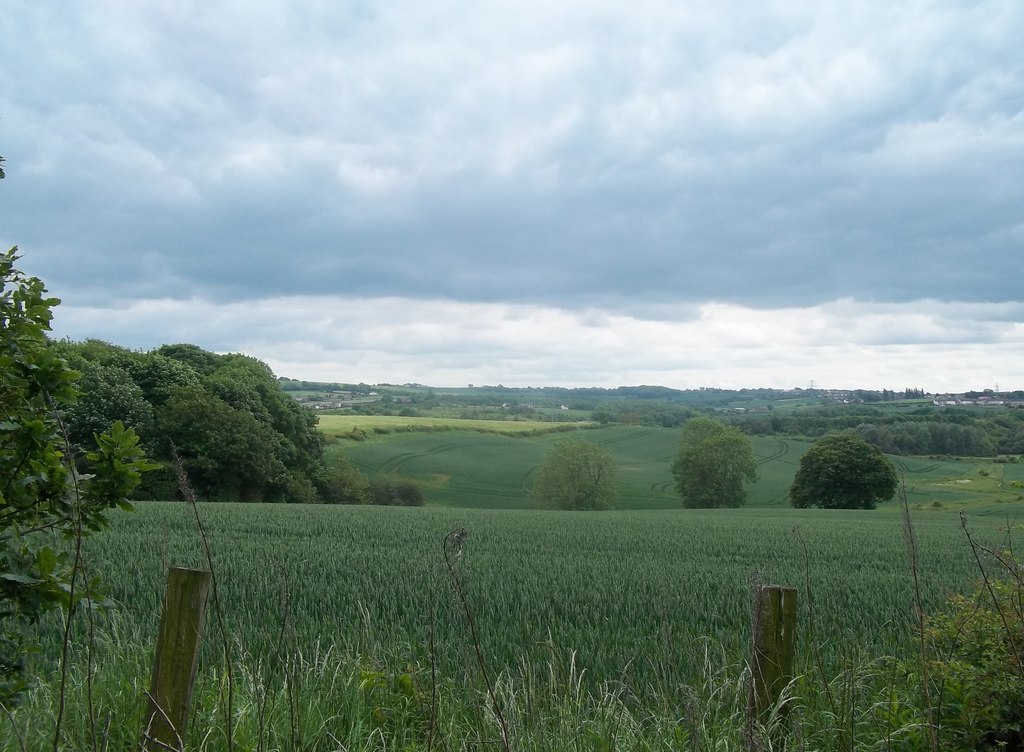
- (observational) Site of Oxcroft Colliery seen from Disused Railway (photograph) — Geograph
Record created: 3 October 2026 · Last researched: 3 October 2026