 MineArchive
Newton Colliery shaft collapse, 1884
In August 1884 the timber lining of the shaft at Newton Colliery, Newton-on-the-Moor, gave way and blocked it, and the furnaceman Thomas Riddell, at the ventilating furnace below, died in the foul air. Two days later more timber fell on the men sent to repair it, and John Purvis was knocked to the bottom and died.
| Date | 12 August 1884 |
|---|---|
| Mine | Newton Colliery, Newton-on-the-Moor |
| Region | Northumberland |
| Primary type | Winding / Shaft Accident |
| Associated types | Gas / Asphyxiation |
| Fatalities | 2 (Thomas Riddell, 67 (68 at the inquest), furnaceman; John Purvis, 30 (31 on the memorial), miner. Both were buried at St James', Shilbottle.) |
| Injuries | Purvis's companion escaped with slight injuries. |
| Context | During active mining |
Cause
A cage caught a defective guide and brought down part of the shaft's timber lining, blocking the shaft and stopping the ventilation; a second fall of timber struck the men repairing it.
What happened
About six on the Tuesday evening Thomas Riddell, the 67-year-old furnaceman, went down the shaft to the furnace that ventilated the pit and signalled from the bottom that all was right. The cage was drawn up and a full tub of coal sent down, but some fourteen or fifteen fathoms down the cage caught against one of the guides, which must have been defective, and part of the shaft timber gave way and blocked the shaft. With the ventilation stopped, Riddell died of asphyxia from the foul air.
On the Thursday, as the coroner arrived to hold the inquest on Riddell, John Purvis and another man went down to repair the damaged shaft. Another portion of timber gave way, struck Purvis and knocked him to the bottom of the shaft; his companion held on to the woodwork until he was rescued. Purvis was got out seriously injured and died four hours later.
Investigation & inquiry
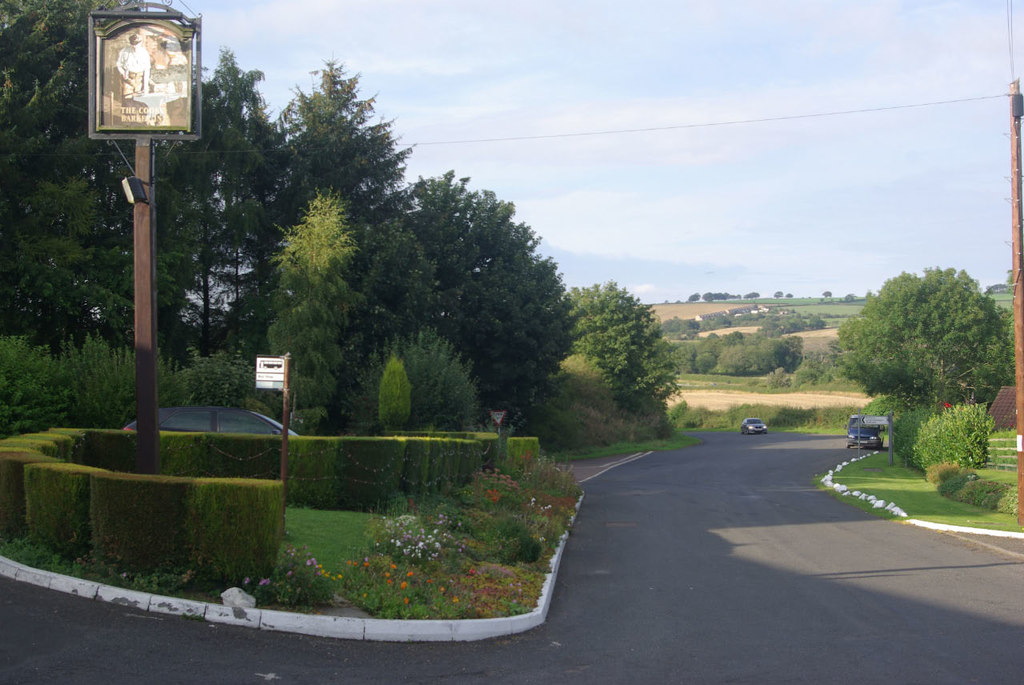
George E. Watson, coroner for North Northumberland, held both inquests at the Cook and Baker, Newton-on-the-Moor. The jury heard that the shaft timber had been good and sufficient and that a defective guide had caught the cage. On Purvis the verdict was accidental death.
What's uncertain
Points where sources disagree or the record could not be settled; both accounts are kept. All open questions in the archive.
Recorded claims
Individual factual claims, each attached to the source(s) that support it below. Where sources disagree, both are kept.
- In August 1884 timber in the shaft of Newton Colliery, Newton-on-the-Moor, gave way twice in three days, killing the furnaceman Thomas Riddell and the miner John Purvis. 1,2
- On the Tuesday evening a cage caught a defective guide and timber gave way fourteen or fifteen fathoms down, blocking the shaft; Riddell, at the ventilating furnace below, died of asphyxia from the foul air. 1,2
- On the Thursday Purvis and another man went down to repair the shaft; more timber gave way and Purvis was knocked to the bottom, some 13 or 17 fathoms, and died four hours after he was brought out. 1,2
- Riddell's death is dated 11 August 1884 in one record and 12 August in another. (disputed) 1,2
- Both inquests, before George E. Watson, coroner for North Northumberland, at the Cook and Baker, Newton-on-the-Moor, returned accidental death or a verdict in accordance with the evidence. 2
Related terminology
Mining terms this disaster is structurally linked to, with the nature of the relationship.
- Bad Air (contextual relationship)
Named twice in this record, first in the summary: “…Thomas Riddell, at the ventilating furnace below, died in the foul air. Two days later more timber fell on the men sent to repair it, and…” - Cage (contextual relationship)
Named 4 times in this record, first in the cause: “A cage caught a defective guide and brought down part of the shaft's timber…” - Fathom (contextual relationship)
Named in this record’s narrative: “…up and a full tub of coal sent down, but some fourteen or fifteen fathoms down the cage caught against one of the guides, which must have been…” - Shaft (contextual relationship)
Named 9 times in this record, first in the summary: “In August 1884 the timber lining of the shaft at Newton Colliery, Newton-on-the-Moor, gave way and blocked it, and…” - Tub (contextual relationship)
Named in this record’s narrative: “…from the bottom that all was right. The cage was drawn up and a full tub of coal sent down, but some fourteen or fifteen fathoms down the…”
Photographs & further reading
This page doesn't try to reproduce everything — these are the best original sources found for this disaster.
The colliery's details and the two men killed in 1884.
View sourceNewspaper reports of both inquests, with the men's burials.
View sourceSources
- (primary) Durham Mining Museum - Newton Colliery — Durham Mining Museum
- (secondary) The Amble and District Mining Memorial: Newton Colliery — Amble and District Local History (fusilier.co.uk)
Record created: 30 September 2026 · Last researched: 4 October 2026