 MineArchive
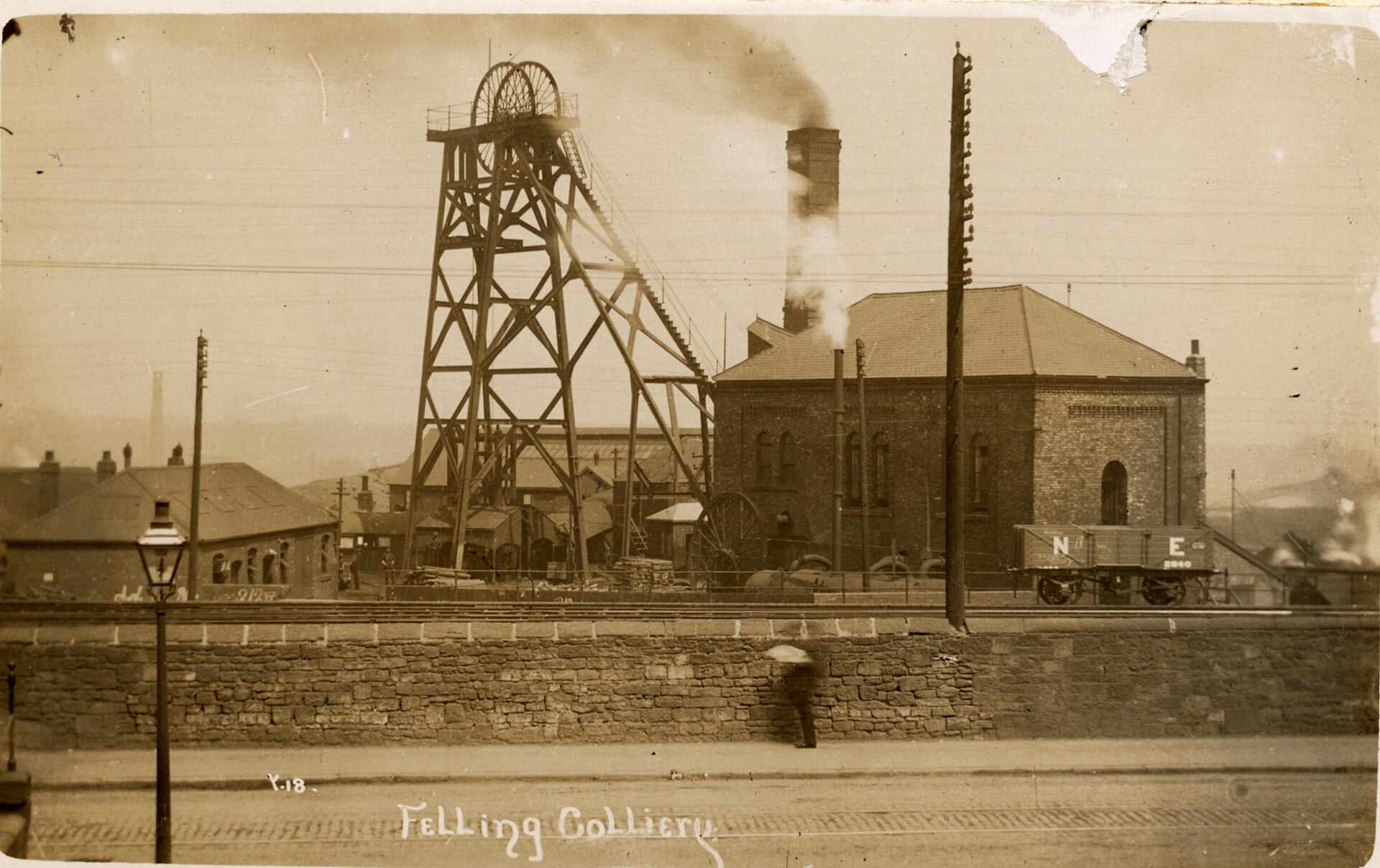
Felling Colliery explosion, 1813
| Date | 24 December 1813 |
|---|---|
| Mine | Felling Colliery |
| Region | Tyne and Wear |
| Type | Explosion |
| Fatalities | 22 (Nine men and thirteen boys; twelve horses were also killed.) |
| Context | During active mining (The small hours of Christmas Eve at Felling Colliery (Brandling Main), as the shift was going to work, nineteen months after the explosion of 1812.) |
At half past one on the morning of 24 December 1813 firedamp exploded again at Felling Colliery, killing nine men and thirteen boys and twelve horses, all of them in the headways near William Pit, the upcast. Those working in the boards away from it survived. The gas was supposed to have fired at the crane lamp, though other causes were suggested, and a week later fire was found in the waste and the shafts were stopped up again.
Cause
Firedamp, supposed by the Newcastle Courant to have fired at the crane lamp in the south headways; a failed stopping or mismanagement of the ventilating furnace were also suggested.
Contributing factors
The southern boards were crossed by fissures from which blowers discharged gas strongly enough to make coals on the floor dance, dealt with only by a strong air current. The mine was lit by candles and steel mills; the safety lamp did not yet exist.
What happened
The colliery had been restored to work after the disaster of May 1812, which killed 92. The explosion came as men were going to work; ten minutes later more would have been below. It struck the headways by William Pit, where the furnace-driven return air left the mine, and spared those in the boards further away.
Rescue & recovery
After the bodies were recovered the mine was inspected, and as no part was found damaged by fire it was reopened; on 30 December workmen found fire in part of the waste and the shaft mouths were stopped up for a time.
Changes to practice & legislation
It came a year after the 1812 disaster that led to the Sunderland Society and to Stephenson's and Davy's safety lamps, which were developed in the following two years.
Recorded claims
Individual factual claims, each attached to the source(s) that support it below. Where sources disagree, both are kept.
- The explosion at 01:30 on 24 December 1813 killed nine men and thirteen boys, twenty-two in all, and twelve horses. 1,2
- All the dead were in the headways by William Pit, the upcast; those in the boards away from it survived. 1
- The Newcastle Courant supposed the gas took fire at the crane lamp in the south headways; Thomson's Annals of Philosophy warned against assuming this, mentioning a failed stopping or furnace mismanagement. 1
- Fire was found in part of the waste on 30 December 1813, and the mouths of the shafts were stopped up for a while. 1
Related terminology
Mining terms this disaster is structurally linked to, with the nature of the relationship.
- Blower (hazard involved)
Blowers in the southern boards discharged gas. - Firedamp (direct cause)
Gas fired, supposedly at the crane lamp. - Naked Light (contextual relationship)
The pit was lit by candles and steel mills before the safety lamp. - Safety Lamp (contextual relationship)
Named twice in this record, first in the contributing factors: “…strong air current. The mine was lit by candles and steel mills; the safety lamp did not yet exist.” - Shaft (contextual relationship)
Named twice in this record, first in the summary: “…were suggested, and a week later fire was found in the waste and the shafts were stopped up again.”
Sources
- (secondary) Felling mine disasters — Wikipedia
- (primary) Felling Colliery (Brandling Main/John Pit), HER 3801 — Tyne and Wear Sitelines (Historic Environment Record)
Record created: 9 September 2026 · Last researched: 13 September 2026