 MineArchive
Backworth Colliery Band
| Category | Music |
|---|---|
| Dates | Formed c. 1886; wholly brass from 1920; known as the Backworth Collieries Workmens' Prize Band, 1950s-1970s; briefly Five Rivers Brass in 2000; still active. |
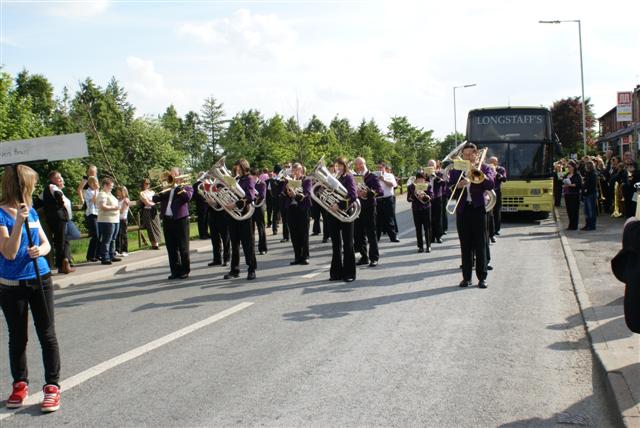
A North Tyneside brass band formed out of the workforce of the pits around Backworth in the 1880s and still playing today, more than forty years after the colliery that named it closed. It began as a military band, went wholly brass in 1920, and was sponsored by the National Union of Mineworkers before nationalisation.
The mining history in this record
The band's early history is not fully documented — the minutes of its first years are missing, probably lost when it changed rehearsal rooms. A formation date of around 1886 has been deduced from Durham League material, at about the same time as the building that is now Backworth club went up. It rehearsed originally in a drinking establishment across the road from its present base.
It was formed out of the workforce of the surrounding pits, and won sponsorship from the National Union of Mineworkers before the coal companies were nationalised in 1947. It started life as a military band and became wholly brass in 1920, and between the 1950s and the 1970s was known as the Backworth Collieries Workmens' Prize Band.
Backworth Colliery itself closed in June 1980, when its last pit, Eccles, was wound up after 165 years of mining in the area. The band outlived it. In 2000 it briefly changed its name to Five Rivers Brass under a sponsorship arrangement, but the sponsorship lasted a year and the band reverted to Backworth Colliery Band.
People
The band has always been a volunteer-led, committee-run organisation rather than one built around named individuals; its membership was traditionally drawn from the mining community of Backworth and the surrounding pit villages, and is now drawn more widely from Shiremoor, Whitley Bay, North Shields and beyond.
Legacy today
The band still performs, and has played at the Whit Friday marches, the Durham Miners' Gala, the CISWO Mineworkers Contest and the National Brass Band Finals — the Gala and the mineworkers' contest keeping a direct line to the industry that created it. A training band was formed as a separate body in 2003, teaching brass to players of all ages in the area and lending instruments to those who need them. In Backworth itself the connection is still visible: the former Miners' Welfare Hall grounds are now the golf course, and the colliery workshops survive in other use.
Recorded claims
Individual factual claims, each tagged with how solidly it's grounded and attached to the source(s) that support it. Where sources disagree, both are kept.
- A formation date of around 1886 has been deduced from Durham League material; the band's own early minutes are lost. (reasonable inference, uncertain) 1,2
- The band was formed out of the workforce from the surrounding pits, and won sponsorship from the National Union of Mineworkers before nationalisation in 1947. (documented fact) 1,2
- The band started life as a military band and became wholly brass in 1920; between the 1950s and 1970s it was known as the Backworth Collieries Workmens' Prize Band. (documented fact) 1,2
- The band changed its name to Five Rivers Brass in 2000 under a sponsorship arrangement, but the sponsorship lasted only a year and the band reverted to Backworth Colliery Band. (documented fact) 1
Mines
- Backworth Colliery — Tyne and Wear
The band was formed out of the workforce of Backworth Colliery and the surrounding pits in the 1880s, took the colliery's name, and still carries it more than forty years after the pit closed in 1980.
Real-world mining concepts used here
Coal, Colliery, Miners' Welfare Fund
Sources
- (secondary) Backworth Colliery Band — Wikipedia
- (secondary) Backworth Colliery Band — North of England Brass Band Trust
- (secondary) Backworth — Wikipedia
Record created: 3 September 2026 · Last researched: 3 September 2026