 MineArchive
Lewis Jones and the Cambrian Colliery
| Category | Literature |
|---|---|
| Dates | Born 28 December 1897 at Clydach Vale; at the Cambrian coal face from 1911; Central Labour College 1923-25; imprisoned 1926; Cambrian Lodge checkweigher from 1927; resigned 1929; Cwmardy 1937 (or 1938); died 27 January 1939; We Live published 1939. |
The author of Cwmardy and We Live worked at the Cambrian Colliery's coal face and was chairman and checkweigher of its lodge.
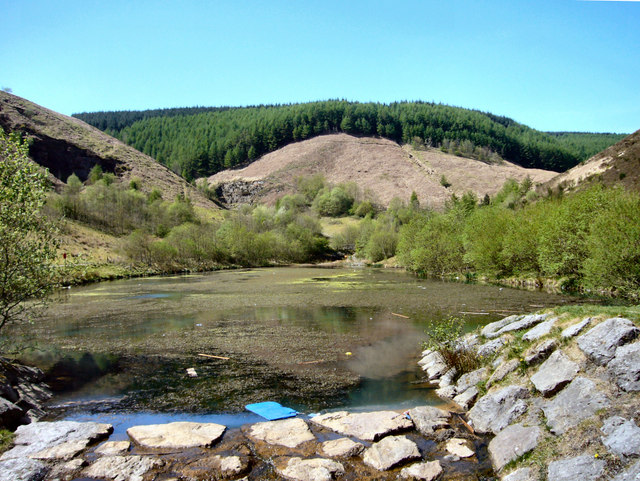
The mining history in this record
Lewis Jones was born at Clydach Vale on 28 December 1897, and from 1911, at thirteen, he worked at the coal face of the Cambrian Colliery, starting there in the year the Cambrian Combine strike of 1910-11 ended. In 1923 he went to the Central Labour College in London, where he joined the Communist Party, and in 1925 he returned to the coal face.
In the General Strike and lock-out of 1926 he was a local leader, and he was imprisoned for three months in Swansea for union work in the Nottinghamshire coalfield. Back at the pit he became chairman and then checkweigher of the Cambrian Lodge of the South Wales Miners' Federation, a post one source dates to 1927. The checkweigher watched the weighing of their coal, and in a time of unrest he was the miners' guard against employers using the piece-work rules to cut wages; Jones clashed often with the management. In 1929 he resigned rather than work alongside non-union labour, and he never worked again: he became Welsh organiser of the National Unemployed Workers' Movement and led the hunger marches from South Wales to London.
People
Lewis Jones (1897-1939), Cambrian collier, lodge chairman and checkweigher, Communist organiser and novelist. Dai Smith, author of the 1982 study Lewis Jones.
Legacy today
Jones wrote two novels, Cwmardy, a vivid story of the Cambrian Combine strike and of the miners' struggle up to 1926, and We Live, its sequel, which takes in the stay-down strikes of 1935 and was published after his death. They are counted classics of proletarian literature, unusual in following the growth of the whole community of Cwmardy rather than one man's escape from it, and both were reprinted in 1978. Dai Smith's study of him appeared in 1982.
He was elected to Glamorgan County Council as a Communist, and died on 27 January 1939 at the end of a day on which he had addressed more than thirty street meetings for the Spanish Republic. He is buried in Trealaw Cemetery.
Mining language in this record
Words and phrases in this record that are genuine mining terminology, occupations, methods or economic practice — not scenery or ordinary regional language that merely appears in a mining-adjacent work.
| Expression | Meaning | MineArchive connection |
|---|---|---|
| checkweigher | The man appointed by the colliers to check the company's weighing of their coal, on which their piece-work pay depended. (South Wales) | Checkweighman — The same office under its other name. |
| stay-down strike | A strike in which the men stayed underground at the end of the shift until non-unionists and company-union men were removed from the pit, as across South Wales in late 1935. (South Wales) | No term in the archive; explained on its own terms. |
Recorded claims
Individual factual claims, each tagged with how solidly it's grounded and attached to the source(s) that support it. Where sources disagree, both are kept.
- Lewis Jones was born at Clydach Vale on 28 December 1897. (documented fact) 1,2
- Jones worked at the coal face in the Cambrian Colliery from 1911 to 1923 and returned to it after the Central Labour College. (documented fact) 3
- Jones became chairman and then checkweigher of the Cambrian Lodge of the South Wales Miners' Federation. (documented fact) 1,2
- Jones was appointed miners' checkweigher in 1927. (documented fact) 3
- In 1929 Jones resigned, refusing to work with non-union labour, and remained unemployed for the rest of his life. (documented fact) 1,2
- During the 1926 General Strike Jones was imprisoned for three months in Swansea for trade union activity in the Nottinghamshire coalfield. (documented fact) 2
- Cwmardy tells the Cambrian Combine strike of 1910-11 and the miners' struggle up to 1926. (documented fact) 3
- Cwmardy was published in 1937. (documented fact, disputed) 1,2
- Cwmardy was written in 1938. (documented fact, disputed) 3
- Jones was elected to Glamorgan County Council in 1936. (documented fact, disputed) 1,2
- Jones sat on Glamorgan County Council from 1934 to 1939. (documented fact, disputed) 3
- Jones died on 27 January 1939 after addressing more than thirty meetings that day in support of the Spanish Republic. (documented fact) 1,2
Mines
- Cambrian Colliery — Rhondda Cynon Taf
Jones worked at the Cambrian's coal face from 1911, was chairman and then checkweigher of the Cambrian Lodge until 1929, and made the Cambrian Combine strike of 1910-11 the subject of Cwmardy.
Real-world mining concepts used here
Sources
- (secondary) Wikipedia: Lewis Jones (writer) — Wikipedia
- (secondary) Lewis Jones 1897-1939 (Cwm: Themes: People) — Swansea University (agor)
- (secondary) JONES, LEWIS (1897-1939), communist agitator and author — Dictionary of Welsh Biography
Record created: 16 October 2026 · Last researched: 16 October 2026