 MineArchive

A. J. Cook and Lewis Merthyr Colliery
| Category | Labour |
|---|---|
| Also known as | Arthur James Cook (full name) |
| Dates | Born 22 November 1883; to Porth and Lewis Merthyr Colliery about 1902; Cambrian Combine strike 1910; The Miners' Next Step 1912; imprisoned 1918; elected Rhondda miners' agent 1919; left the coal face January 1920; MFGB general secretary 1924; General Strike 4-12 May 1926; died 2 November 1931 |
Arthur James Cook (1883-1931), general secretary of the Miners' Federation of Great Britain through the 1926 lockout, came to the Rhondda from Somerset at eighteen, worked the coal face at the Lewis Merthyr Colliery, Trehafod, for the best part of twenty years and chaired its lodge before the coalfield elected him its agent.
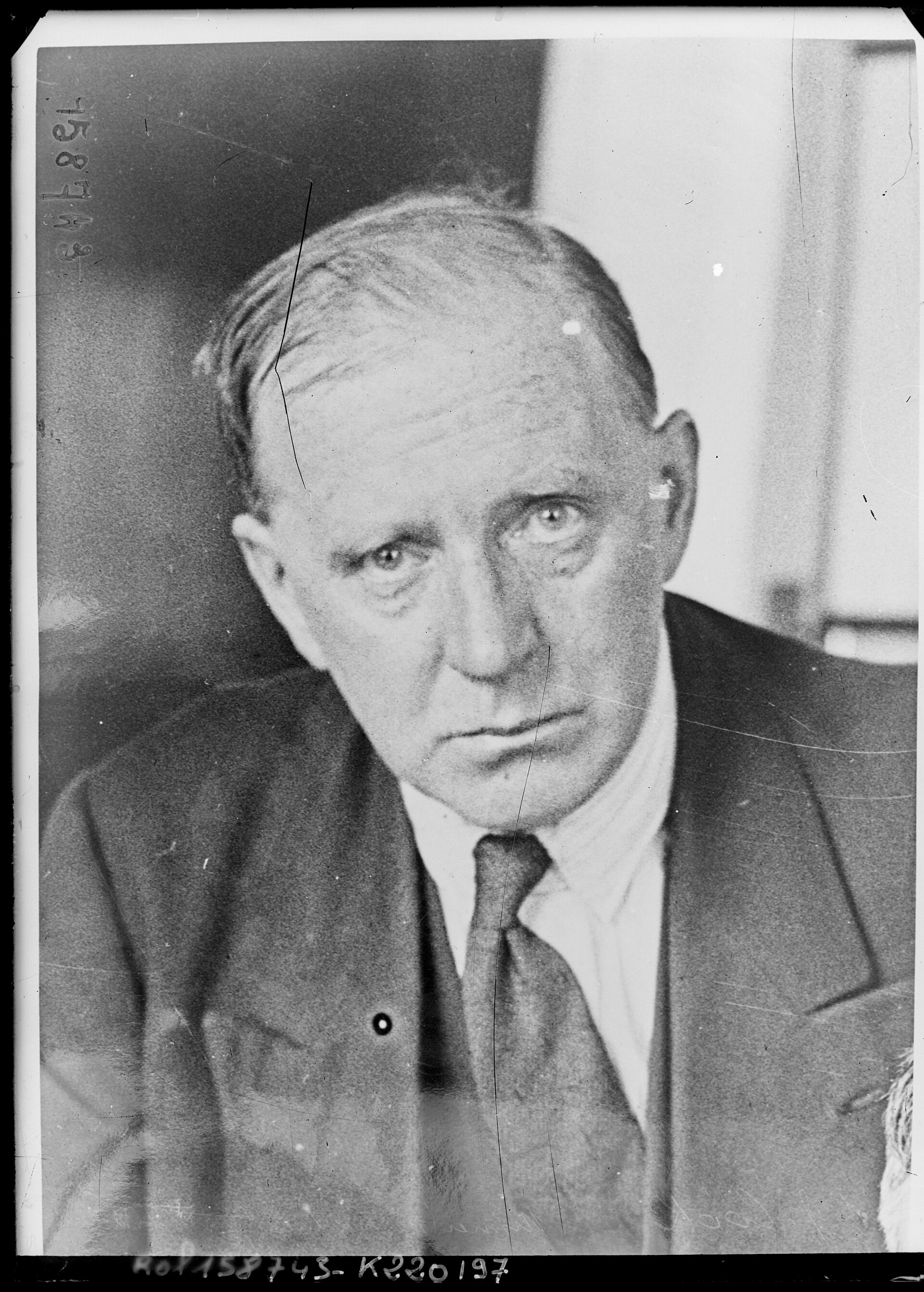
The mining history in this record
Arthur James Cook was born at Wookey, Somerset, on 22 November 1883, the son of a serving soldier and a Baptist dressmaker. He left elementary school for farm labouring and by seventeen was a boy preacher of some note, with the offer of a Baptist college place. Instead, at eighteen or nineteen, with five pounds saved and a box of sermons, he joined the migration of West Country farm hands to the South Wales coalfield and went to work at the Lewis Merthyr Colliery at Trehafod, between Porth and Pontypridd. He preached in the local chapel until his socialism parted him from it.
Lewis Merthyr made him. He married Annie Edwards and furnished a small house in Porth, came to notice in the Cambrian Combine strike of 1910, and sat on the Unofficial Reform Committee whose pamphlet The Miners' Next Step (1912) argued for taking the union from below. He studied at the Central Labour College in London and came back to teach economics classes in the Rhondda. While still a working collier he was elected chairman of the Lewis Merthyr lodge of the South Wales Miners' Federation and on to the Federation's executive. In the war he ran the Porth Relief Committee, and in 1918 three months in prison under the Defence of the Realm Act made him a hero in the valley: miners' mass meetings threatened to strike over the summonses.
In 1919 the Rhondda No. 1 District elected him miners' agent over Noah Rees by 18,230 votes to 17,531, though most of the Lewis Merthyr men could not vote for him, being in another district. At the start of 1920 he left the coal face he had worked since arriving in Wales. He joined the executive of the Miners' Federation of Great Britain in 1921, and in 1924 the Federation chose him as general secretary, to the outrage of the TUC's Fred Bramley, who called him a raving Communist. In the 1926 lockout his slogan 'Not a penny off the pay, not a minute on the day' became the miners' cry, and when the Trades Union Congress called off the General Strike after nine days Cook led the miners on alone until want drove them back in November.
People
Arthur James Cook (1883-1931), Lewis Merthyr collier and lodge chairman, Rhondda miners' agent from 1919, general secretary of the Miners' Federation of Great Britain 1924-1931. Noah Rees, the candidate he beat for the agency in 1919. Annie Edwards, his wife.
Legacy today
Cook never recovered from 1926. A leg injury he had neglected since the early 1920s ended in amputation in January 1931; he was back at work within six weeks and died at Manor House Hospital, Golders Green, on 2 November 1931, aged 47. The Gelli lodge banner that carries his portrait is kept at the Rhondda Heritage Park, which occupies the Lewis Merthyr site where he worked. His pamphlet The Nine Days (1926) is his own account of the strike.
Recorded claims
Individual factual claims, each tagged with how solidly it's grounded and attached to the source(s) that support it. Where sources disagree, both are kept.
- Arthur James Cook was born at Wookey, Somerset, on 22 November 1883, the son of Thomas Cook, a serving soldier, and worked as a farm labourer after elementary school. (documented fact) 1,2
- Cook came to Porth at eighteen or nineteen and went to work at the Lewis Merthyr Colliery, Trehafod, where he was also a Baptist lay preacher until his socialism parted him from the chapel. (documented fact) 1,2
- While still a working collier he was elected chairman of the Lewis Merthyr lodge of the South Wales Miners' Federation and a member of the Federation's executive. (documented fact) 2
- He came to prominence in the Cambrian Combine strike of 1910 and took part in the Unofficial Reform Committee that published The Miners' Next Step in 1912. (documented fact) 1
- He attended the Central Labour College in London and afterwards taught economics classes in the Rhondda, at Ynyshir, Ynysybwl and Taffs Well. (documented fact) 1,2
- In 1918 he was sentenced to three months' imprisonment under the Defence of the Realm Act. (documented fact) 1,2
- In 1919 he was elected miners' agent for the Rhondda No. 1 District, beating Noah Rees by 18,230 votes to 17,531, and left the coal face at the start of 1920. (documented fact) 1,2
- He joined the executive of the Miners' Federation of Great Britain in 1921 and was its general secretary from 1924 until his death. (documented fact) 1,2
- During the 1926 lockout his slogan 'Not a penny off the pay, not a minute on the day' became the miners' cry, and he led the miners on for months after the Trades Union Congress ended the General Strike on 12 May. (documented fact) 1,2
- His right leg was amputated in January 1931 and he died at Manor House Hospital, Golders Green, on 2 November 1931, aged 47. (documented fact) 1
- The Gelli lodge banner bearing Cook's portrait is held at the Rhondda Heritage Park, on the Lewis Merthyr site. (documented fact) 1
Mines
- Lewis Merthyr Colliery — Rhondda Cynon Taf
Cook worked at the coal face at Lewis Merthyr from about 1902 to the start of 1920 and was chairman of its lodge before he became the miners' national leader.
Regions
Real-world mining concepts used here
Coal, Colliery, Miners' Federation of Great Britain
Sources
- (secondary) A. J. Cook (trade unionist) — Wikipedia
- (secondary) Cook, Arthur James (1883-1931), miner and trade union leader — Dictionary of Welsh Biography
Record created: 20 October 2026 · Last researched: 21 October 2026