 MineArchive
The Pit of Ghosts: Morfa Colliery
| Category | Folklore |
|---|---|
| Dates | Explosions 1858, 1863 (40 dead), 1870 (29 dead) and 10 March 1890 (87 dead); walk-out just before Christmas 1895; 'A Haunted Mine' in the Flintshire Observer, 9 January 1896; colliery closed 1913 |
Morfa Colliery at Taibach was known across the South Wales coalfield as the pit of ghosts: a working where sightings and noises were held to foretell disaster, where the appearance of a red dog was an omen of death, and where in December 1895 the men refused to go underground at all.
The mining history in this record
Morfa was a gassy pit with a long and deadly record — explosions in 1858, 1863, 1870 and 1890 — and the belief grew among its men that it gave warning before it killed. Reports of strange happenings and ghostly sightings were commonplace at the colliery, and in the weeks before the explosion of 1863, in which forty men died, they became more frequent. Superstition was rife in the workforce, and the events were widely held to be harbingers of disaster. Afterwards they grew rarer, with one exception: an apparition of a dog that appeared out of nowhere in the workings and vanished again, which the men called the red dog of Morfa. The pit took its name from these stories rather than from its output.
The same pattern is told of the great explosion of 10 March 1890, which killed 87 men and boys. In the fortnight before it, accounts describe noises in the district known as the Nine Feet Deep — trams heard running down an incline, falls heard where nothing had fallen — a strange man in oilskins, phantom trams and horses, corpse candles, and a smell of roses underground where there were no flowers. Men are said to have left Morfa for other pits rather than work in it.
What is beyond folklore is what the men did next. Just before Christmas 1895 the Morfa workers walked off the job, refusing to go underground, and stayed out until management agreed to safety checks in late December. The newspapers took it up: on 9 January 1896 the Flintshire Observer ran an article headed 'A Haunted Mine', reporting that South Wales had a haunted colliery, infested for about a week by six restless spirits supposed to be the ghosts of miners killed in an explosion, who made themselves known by wailing and knocking through the workings and by the singing of dirges and the roll of muffled drums.
People
The accounts name few individuals: the men who reported the sightings are largely anonymous, and the tradition belongs to the workforce as a whole.
Legacy today
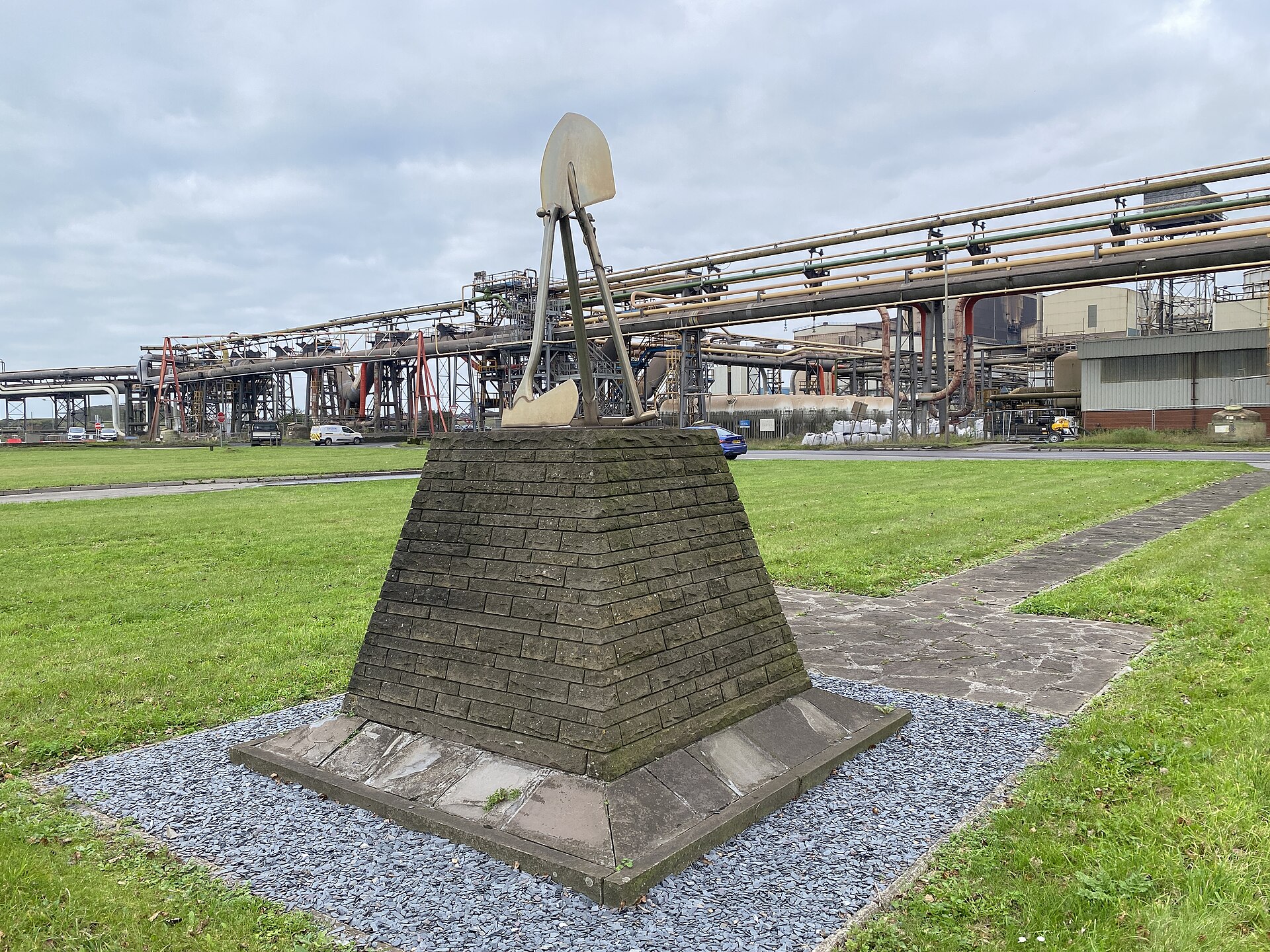
Morfa closed in 1913, and the stories outlived it. They are retold in collections of Welsh mining folklore alongside the coblynau, the knocker-spirits of the Welsh mines, and the pit's name stands for a whole class of coalfield belief: that a mine gives notice. A memorial to the colliery and its dead stands on the ground the works now occupy at Port Talbot.
Recorded claims
Individual factual claims, each tagged with how solidly it's grounded and attached to the source(s) that support it. Where sources disagree, both are kept.
- Morfa Colliery was known throughout the South Wales coalfield as the pit of ghosts. (tradition/folklore) 1,2
- Sightings and strange happenings at the colliery are said to have become more frequent in the weeks before the explosion of 1863, and were widely believed among the workforce to be harbingers of disaster. (tradition/folklore) 1
- After 1863 the strange events grew rarer except for an apparition of a dog that appeared in the workings and vanished, which the men called the red dog of Morfa. (tradition/folklore) 1
- Just before Christmas 1895 the Morfa men refused to go underground, and returned in late December when the management agreed to safety checks. (later recollection) 2
- On 9 January 1896 the Flintshire Observer reported the colliery as haunted for about a week by six spirits supposed to be miners killed in an explosion, known by wailing, knocking, dirges and muffled drums. (contemporary account) 2
- An explosion at Morfa on 10 March 1890 killed 87 men and boys. (documented fact, disputed) 1
Mines
- Morfa Colliery — Neath Port Talbot
The tradition is this colliery's own: the sightings, the red dog and the 1895 walk-out were all at Morfa.
Disasters
- Morfa Colliery explosion, 1863 — 17 October 1863
The explosion the omens are said to have preceded, and after which the red dog was first reported. - Morfa Colliery explosion, 1890 — 10 March 1890
The disaster the later retellings attach the warnings to, and the deaths the 1896 newspaper report said the six spirits came from.
Real-world mining concepts used here
Sources
- (secondary) Morfa Colliery Port Talbot — Welsh Coal Mines
- (secondary) Morfa Colliery: mining superstitions and ghostly forewarnings — Spooky Isles
Record created: 18 September 2026 · Last researched: 24 September 2026