 MineArchive
Hook Colliery boat disaster, 1850
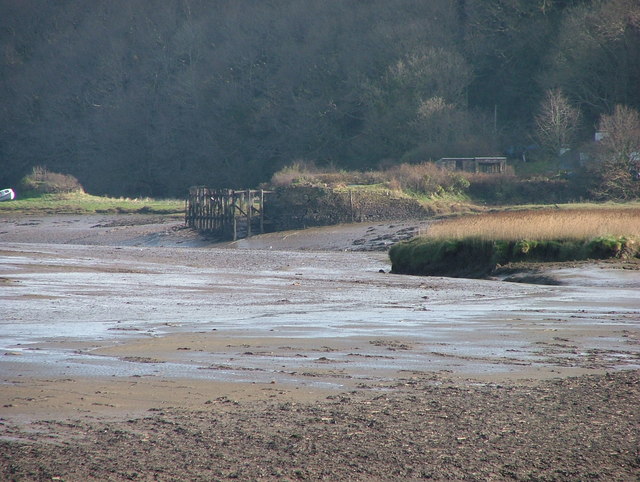
On the evening of Wednesday 7 August 1850 four men and a boy from Hook Colliery, Pembrokeshire, were drowned off Picton Point when their small boat filled in a gale as they returned from loading timber for the colliery.
| Date | 7 August 1850 |
|---|---|
| Mine | Hook Colliery |
| Region | Pembrokeshire |
| Type | Other |
| Fatalities | 5 (Abraham (or Absolem) James, Henry Phillips, Benjamin Phillips, William Falland and his brother Thomas Falland, 17.) |
| Context | During active mining (On the Cleddau, returning from fetching timber for the colliery.) |
Cause
The boat shipped several seas and nearly filled while turning in a heavy swell off Picton Point in a gale; all five went overboard.
Contributing factors
Bad weather and a head wind, and a crew of colliers not used to handling a boat in a gale, who refused to walk home with their companions.
What happened
A party from Hook Colliery, then worked under the superintendence of James Wilson, went that morning by small boat to Blackpool, about four miles up the Cleddau, to load two lighters with timber bought for the colliery. By night it was blowing hard and raining heavily, and four of the men walked home, begging the others to come with them. Five set off by water instead: Abraham James, Henry Phillips, Benjamin Phillips and the brothers William and Thomas Falland, Thomas a boy of seventeen. All lived next to each other at Hook and were closely related.
They reached Landshipping Ferry against a head wind, but off Picton Point, turning the boat's head towards Hook, she shipped several seas and nearly filled. The four men jumped overboard and were drowned almost at once, though some were known as good swimmers; the boy stayed until the boat filled and then jumped, only a few yards from the shore. The boat itself stayed afloat and would have carried him. The only witness was Eleanor Francis, in a lone cottage on the bank, whose cries for help were lost in the wind and mist. The bodies were picked up the next morning. James left a widow and three young children in poverty.
Rescue & recovery
No help could reach them: the one woman who saw the boat could not make herself heard, and mist hid it from Landshipping. The bodies were recovered the following morning.
What's uncertain
Points where sources disagree or the record could not be settled; both accounts are kept. All open questions in the archive.
- The timber was loaded at Pwlldu, about four miles away. (disputed) 1
Recorded claims
Individual factual claims, each attached to the source(s) that support it below. Where sources disagree, both are kept.
- Five men from Hook Colliery were drowned off Picton Point on 7 August 1850. 1,2,3
- They had been loading two lighters with timber bought for the use of the colliery. 1,2,3
- The timber was loaded at Blackpool, about four miles away. 2,3
- The timber was loaded at Pwlldu, about four miles away. (disputed) 1
- The boat shipped several seas off Picton Point while turning towards Hook, and all five went overboard. 1,2,3
- The colliery was then worked under the superintendence of James Wilson. 1,2,3
Related terminology
Mining terms this disaster is structurally linked to, with the nature of the relationship.
- Colliery (contextual relationship)
Named 4 times in this record, first in the summary: “…the evening of Wednesday 7 August 1850 four men and a boy from Hook Colliery, Pembrokeshire, were drowned off Picton Point when their small boat…” - Pithead (contextual relationship)
Named in this record’s narrative: “…him. The only witness was Eleanor Francis, in a lone cottage on the bank, whose cries for help were lost in the wind and mist. The bodies…”
Photographs & further reading
This page doesn't try to reproduce everything — these are the best original sources found for this disaster.
Contemporary report of the drowning, with the names of the five and the scene at Hook.
View sourceThe 1850 list of Welsh mining deaths, with a transcribed account of the Hook drowning.
View sourceSources
- (secondary) Welsh mining fatalities, 1850 — Welsh Coal Mines
- (primary) Melancholy occurrence: five men drowned (The Pembrokeshire Herald, 9 August 1850) — National Library of Wales
- (primary) Five men drowned off Picton Point (The Welshman, 16 August 1850) — National Library of Wales
Record created: 10 October 2026 · Last researched: 10 October 2026