 MineArchive
Disappearance of Thomas Severn, Mapperley Colliery, 1918
| Date | 5 June 1918 |
|---|---|
| Mine | Mapperley Colliery |
| Region | Derbyshire |
| Type | Other |
| Fatalities | 1 (Presumed dead; no body was ever recovered, so the death itself is inferred rather than confirmed by physical evidence.) |
| Context | During active mining |
Thomas Severn, the 43-year-old undermanager of Mapperley Colliery, vanished underground during his shift on 5 June 1918 while inspecting the workings alone, and was never found despite a two-month search costing £2,000; no body, lamp or other trace ever turned up, and the cause of his disappearance remains formally unresolved.
Cause
Never established. Contemporary theories included accidental entombment in old workings, murder, disguise and flight, and suicide; a 1918 Inspector of Mines report dismissed accident and allowed murder, disguise or suicide as possibilities. A 2007 book by local historian Hector Tyler concluded accidental entombment was most likely.
What happened
Thomas Severn, born in Swanwick in April 1875 to a colliery manager, had worked as a deputy at Clifton and Stanley collieries before becoming undermanager at Mapperley Colliery. He was well known locally as a church choir singer. On 5 June 1918, then 43, he began his shift as usual at 6am; at break he entertained fellow miners with a song he was due to perform at a concert that evening. Some hours later he passed his 17-year-old son Claude and a group of day workers on his way to inspect another part of the mine alone; Claude later recalled his father had seemed uncharacteristically quiet. Severn never returned to the surface. An initial search of the area he was known to be heading towards found nothing, and the search grew to forty or fifty men while mines rescue teams from Mansfield and Ilkeston were called in; they searched old workings full of blackdamp. Bloodhounds and, as a last resort, a clairvoyant were brought in. The search ran for two months and cost around £2,000 (roughly £58,000 today); no body, lamp or other trace of Severn was ever found.
Investigation & inquiry
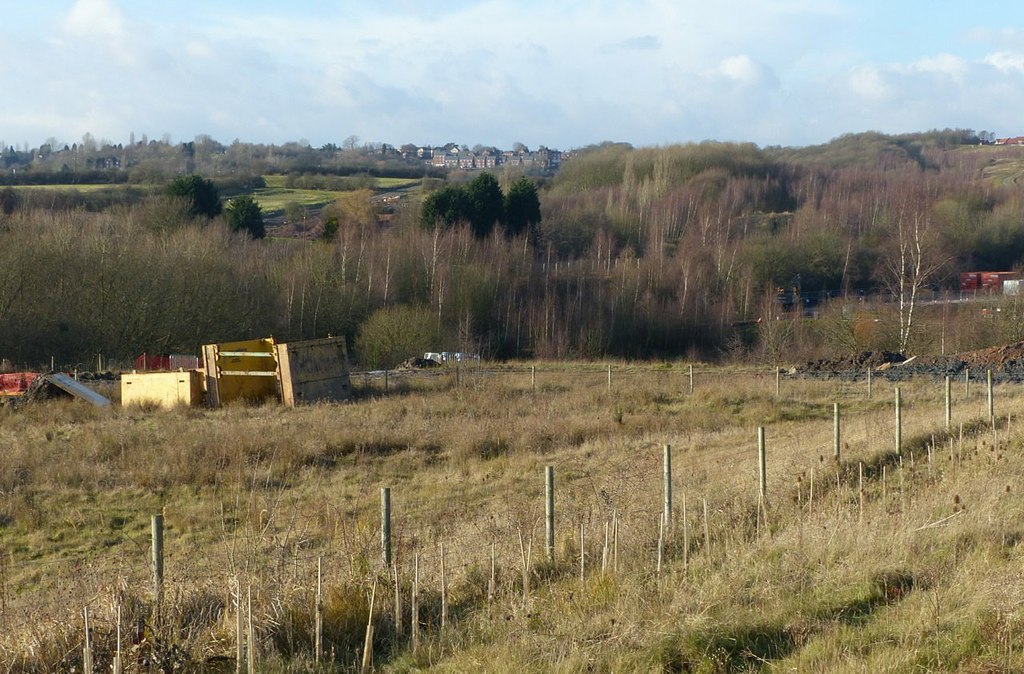
H.M. Inspector of Mines dismissed accidental death and allowed murder, disguise/flight or suicide as the remaining possibilities, with no evidence to confirm any of them. In the 1950s, opencast working reached the area Severn was last known to be in; a rumour that his remains, a stick and a watch had been found reached his son Claude, by then an adult, who rushed to the site to identify the watch (his own, which his father had borrowed that day) — but was told nothing had been found. A 1988 deathbed account, describing a stopping hurriedly built into old workings on the shift Severn disappeared, briefly reopened a police file, which was closed again for lack of evidence. In 2007 the local historian Hector Tyler published a book-length investigation, 'The Mysterious Disappearance of Thomas Severn', concluding accidental entombment in old workings was the likeliest explanation; a 2024 account by Dr Robert Bradley suggested Severn had gone to examine an old gate road for gas at low air pressure.
Legal & regulatory aftermath
Severn's disappearance was never formally resolved by inquest, prosecution or discovery of remains.
Memorials & commemoration
No memorial has been found for Severn specifically.
Recorded claims
Individual factual claims, each attached to the source(s) that support it below. Where sources disagree, both are kept.
- Hector Tyler's 2007 book concluded Severn was most likely accidentally entombed in old workings after a hurriedly built stopping; Dr Robert Bradley's 2024 account suggested he had gone to examine an old gate road for gas. Neither is confirmed; the 1918 Inspector's report itself could not rule accident out or in. (uncertain) 1
Related terminology
Mining terms this disaster is structurally linked to, with the nature of the relationship.
- Chokedamp (contextual relationship)
Named in this record’s narrative: “…and Ilkeston were called in; they searched old workings full of blackdamp. Bloodhounds and, as a last resort, a clairvoyant were brought in.…” - Deputy (contextual relationship)
Named in this record’s narrative: “…in Swanwick in April 1875 to a colliery manager, had worked as a deputy at Clifton and Stanley collieries before becoming undermanager at…” - Gate Road (contextual relationship)
Named in this record’s investigation: “…by Dr Robert Bradley suggested Severn had gone to examine an old gate road for gas at low air pressure.” - HM Chief Inspector of Mines (contextual relationship)
Named twice in this record, first in the cause: “…in old workings, murder, disguise and flight, and suicide; a 1918 Inspector of Mines report dismissed accident and allowed murder, disguise or suicide as…” - Opencast Working (contextual relationship)
Named in this record’s investigation: “…with no evidence to confirm any of them. In the 1950s, opencast working reached the area Severn was last known to be in; a rumour that his…”
Sources
- (secondary) Mapperley Colliery and the Mystery of the Missing Colliery Undermanager — Mining Heritage — Mining Heritage (David Amos)
- (secondary) The Mysterious Disappearance of Thomas Severn, the Undermanager at Mapperley Colliery — Derbyshire Record Office
Record created: 12 September 2026 · Last researched: 14 September 2026