 MineArchive
The Sooth Medomsley Strike
| Category | Music |
|---|---|
| Dates | 1952: printed in A. L. Lloyd's Come All Ye Bold Miners. |
The Sooth Medomsley Strike is a song by Tommy Armstrong, the Pitman Poet, about a strike at South Medomsley Colliery during which miners' families were turned out of their colliery houses; it names the masters he held to blame and saves its fiercest abuse for the candymen who carried out the evictions.
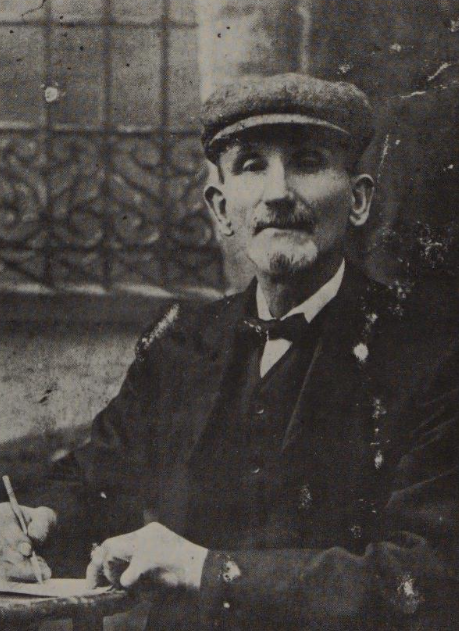
The mining history in this record
In the Durham coalfield the colliery houses belonged to the coal owners, and in a strike the threat of eviction was one of the owners' strongest weapons: miners and their families were turned out of their homes. That is the subject of two of Armstrong's songs, Oakey's Strike and The Sooth Medomsley Strike. In the South Medomsley song he set out to put the record straight, to name the masters responsible, and to lambast the candymen who, with the help of local down-and-outs, threw the families out. The candymen were local scrap dealers, named from their habit of giving children sweets in return for rags, and after a strike their standing in the pit villages was lower than the blacklegs'. In both songs the managers and owners are tyrants, and their helpers are threatened with boiling or hanging.
People
Tommy Armstrong, who wrote it. A. L. Lloyd, folklorist, who printed it in 1952.
Legacy today
A. L. Lloyd printed the song, with other ballads of Armstrong's, in Come All Ye Bold Miners (1952), the collection of coalfield songs that carried Armstrong's work into the folk revival. In folk circles it is often called the greatest mining song ever written.
Recorded claims
Individual factual claims, each tagged with how solidly it's grounded and attached to the source(s) that support it. Where sources disagree, both are kept.
- The Sooth Medomsley Strike was written by Tommy Armstrong. (documented fact) 1,2
- The song is about the eviction of miners and their families from colliery houses during a strike at South Medomsley. (documented fact) 2
- The candymen who carried out the evictions were local scrap dealers, named from giving children sweets in return for rags. (documented fact) 2
- A. L. Lloyd printed it among Armstrong's ballads in Come All Ye Bold Miners (1952). (documented fact) 1
- It is held in many folk circles to be the greatest mining song ever written. (unverified claim, uncertain) 2
Mines
- South Medomsley Colliery — County Durham
The song is about a strike at South Medomsley Colliery and the eviction of its miners' families from the colliery houses.
Real-world mining concepts used here
Sources
- (secondary) Tommy Armstrong (singer-songwriter) — Wikipedia
- (secondary) Tommy Armstrong The Pitman Poet — Sunniside Local History Society
Record created: 6 October 2026 · Last researched: 6 October 2026