 MineArchive
The Pantdreiniog Co-operative Quarry
| Category | Labour |
|---|---|
| Dates | Parry's syndicate buys Pantdreiniog 1896; Great Strike 22 November 1900 to November 1903; co-operative March 1901; North Wales Quarries Ltd incorporated 3 October 1903; closed October 1910. |
During the Penrhyn lockout of 1896 and the Great Strike of 1900-03, Britain's longest industrial dispute, the quarrymen's union founder W. J. Parry took over Pantdreiniog slate quarry in Bethesda to give work to the locked-out men, reopening it as a workers' co-operative in 1901 and, with union money, as part of the Bethesda Co-operative Quarries in 1903. The experiment ended in a bitter rift between Parry and the union he had helped to found.
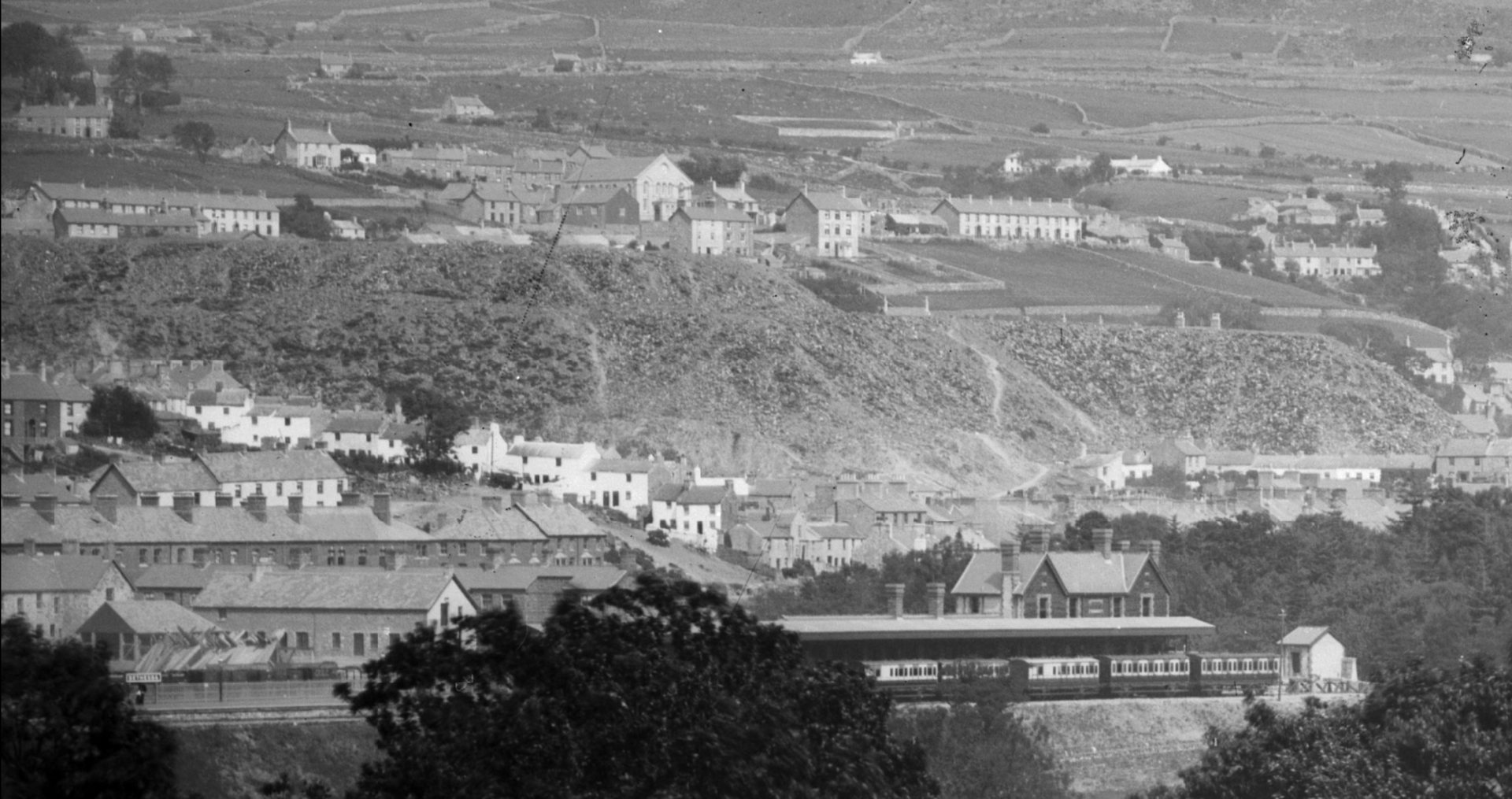
The mining history in this record
Pantdreiniog, a slate quarry within Bethesda, had worked fitfully since about 1825 and stood idle for most of the 1880s. In 1896, when a dispute at the neighbouring Penrhyn quarry left hundreds of quarrymen locked out, Alderman William John Parry, a founder and the first secretary of the North Wales Quarrymen's Union in 1874, led a syndicate from South Wales that bought Pantdreiniog, became its manager, and by October had taken on 40 men, employing only married men to support the strikers' families.
The Great Strike of Penrhyn began on 22 November 1900 and lasted three years, with 2,000 skilled men out of work. In March 1901 Parry restarted Pantdreiniog as a workers' co-operative; it made a small profit in its first month and paid wages of 32s 6d. That attempt failed in 1902, and in summer 1903 the union itself put over £15,000 into North Wales Quarries Ltd, which bought Pantdreiniog with Moel Faban and Tanybwlch as the Bethesda Co-operative Quarries, with Parry as managing director. The strike ended that November. Parry's terms of employment were soon seen as nearly as harsh as those that had caused the strike; the union's president, Henry Jones, refused to work under them, and Parry locked out men who would not sign.
People
William John Parry (1842-1927), founder and first secretary of the North Wales Quarrymen's Union, manager and later managing director of Pantdreiniog. Henry Jones, union president, who refused Parry's terms. Richard Bell MP, chairman of North Wales Quarries Ltd.
Legacy today
Pantdreiniog was back at work by 1906 but closed in October 1910, and a last attempt by Parry to pulverise its waste into slate bricks after the First World War failed around his death in 1927. The episode stands with the Penrhyn Great Strike itself as a chapter in the history of the North Wales slate industry and the Welsh labour movement. The co-operative's two locomotives were named Richard Bell, after its MP chairman, and J C Grey.
Recorded claims
Individual factual claims, each tagged with how solidly it's grounded and attached to the source(s) that support it. Where sources disagree, both are kept.
- In 1896 W. J. Parry led a syndicate from South Wales that bought Pantdreiniog to employ men locked out at Penrhyn, taking on 40 workers by October. (documented fact) 1
- In March 1901, during the Great Strike, Parry restarted Pantdreiniog as a workers' co-operative, paying 32s 6d in its first month. (documented fact) 1
- In 1903 the North Wales Quarrymen's Union contributed over £15,000 to North Wales Quarries Ltd, which bought Pantdreiniog, Moel Faban and Tanybwlch as the Bethesda Co-operative Quarries. (documented fact) 1
- Parry helped create the North Wales Quarrymen's Union in 1874, was its first secretary, and published 'The Penrhyn Lock-out, 1900-01 - Statement and Appeal' (1901). (documented fact) 2
- Parry's terms of employment were seen as almost as draconian as those behind the Great Strike; union president Henry Jones refused to work under them. (documented fact) 1
Mines
- Pantdreiniog Quarry — Gwynedd
Bought by W. J. Parry in 1896 and run as a co-operative for locked-out Penrhyn quarrymen in 1901-03. - Penrhyn Quarry — Gwynedd
The Penrhyn lockout of 1896 and Great Strike of 1900-03 were the reason for the co-operative.
People
- William John Parry (1842–1927) · manager, 1896–1910 — Manager, then managing director, of Pantdreiniog as a co-operative for locked-out quarrymen.
Regions
Sources
- (secondary) Pantdreiniog quarry — Wikipedia
- (secondary) PARRY, WILLIAM JOHN (1842-1927), Labour leader, and author — Dictionary of Welsh Biography
- (primary) Pantdreiniog (prospectus text) — Llechi Cymru
Record created: 18 September 2026 · Last researched: 18 September 2026