 MineArchive
The Silksworth Evictions, 1891
| Category | Labour |
|---|---|
| Dates | Strike began winter 1890; first eviction 19 February 1891; baton charge 25 February 1891; Commons questions 5 and 23 March 1891; magistrates refuse bonds 7 March, allow them 14 March; evictions end and families return, March 1891 |
Through the winter of 1891 Lord Londonderry turned striking miners and their families out of the colliery houses he owned at Silksworth, with bailiffs brought in from Hartlepool under police escort; the evictions drew crowds from pit villages across Durham, a baton charge, and questions in the Commons.
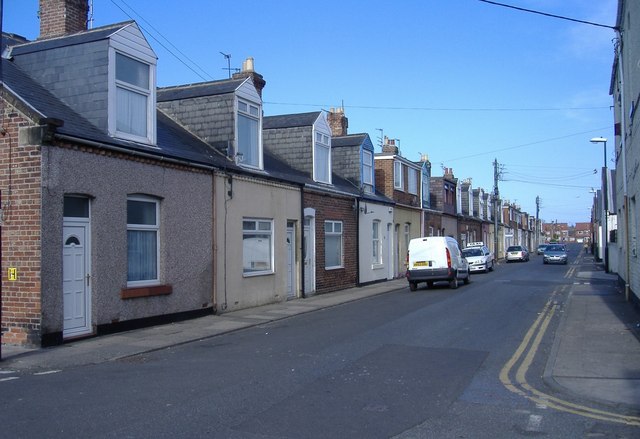
The mining history in this record
In the winter of 1890 the Silksworth miners came out on strike over membership of the Durham Miners' Association: those who wanted to join believed the men who refused were favoured by the owners, and those who refused said they were being bullied. The colliery and the village both belonged to Lord Londonderry, who rented the houses to his own workmen, so a strike cost him rent as well as coal. He engaged men from Hartlepool as bailiffs — some of whom left once they understood the work — and the first eviction came on 19 February 1891, when a family was carried out of a small terraced house before a crowd booing and jeering at the door.
The bailiffs were lodged at a farm outside the village and escorted in each day by police. Miners came from pit villages across the county to stand with the Silksworth men. Resistance was inventive as well as noisy: bricks were hidden in furniture to make it heavier to carry, and pepper was shaken over curtains to make the bailiffs sneeze. Evicted families crowded in with neighbours or took shelter in the Methodist chapel, in a North East winter.
On 25 February the police, escorting the bailiffs home, charged a crowd with drawn batons. What happened then was disputed within a fortnight in the House of Commons. The member for Sunderland, Samuel Storey, told the House that nearly fifty people had been wounded, some dangerously, and all but three struck from behind, among them respectable people walking quietly home at the side of the police. The Home Secretary, Henry Matthews, answered from the Chief Constable's report that about thirty had been more or less injured, none dangerously, and the only female hurt was a little girl who was probably crushed by the crowd; the police, he said, had been pelted with stones and iron rivets from the shipyards by a crowd mostly from Sunderland and not connected with the mines, and had charged only after a warning was ignored. He declined a public inquiry.
The fight moved to the law. The miners' solicitor, Mr Dix, argued that by holding over the tenants had created a new tenancy and the landlord had no lawful right to possession, and applied to enter into bonds so the point could be tried in a superior court. On 7 March the county magistrates at Sunderland refused, with 173 cases before them; on 14 March they agreed, but set sureties at £100 for the value of each house and £50 for costs, in every case separately, which Storey put to the Commons as nearly 500 cases and £75,000 of security. Bonds were completed in two cases only. An offer to reduce the rest to a nominal £5 was refused.
People
Charles Vane-Tempest-Stewart, Lord Londonderry, owner of the colliery and the village; Samuel Storey, MP for Sunderland, who raised the evictions and the baton charge in the Commons; Henry Matthews, Home Secretary, who answered him; John Wilson, the miners' MP for Mid Durham; Mr Dix, the solicitor who fought the warrants.
Legacy today
The evictions ran on into March, with more than 150 notices served; then the men went back to work and the families went home. The affair is little remembered outside Sunderland, but it is one of the sharpest illustrations of what it meant for the owner of a pit to own the houses as well, and the pattern — eviction, solidarity from other pit villages, shelter in a chapel — recurs through the next century of coalfield disputes. Streets in New Silksworth still carry the Londonderry name.
Recorded claims
Individual factual claims, each tagged with how solidly it's grounded and attached to the source(s) that support it. Where sources disagree, both are kept.
- The Silksworth miners struck in the winter of 1890 over membership of the Durham Miners' Association. (later recollection) 1
- Lord Londonderry owned both the colliery and the village houses the miners rented, and engaged bailiffs from Hartlepool to evict the strikers. (later recollection) 1
- The first eviction took place on 19 February 1891, before a crowd that booed and jeered as the family's possessions were carried out. (later recollection) 1
- Miners came from villages across the county in support, bricks were put in furniture to make it heavier and pepper on curtains to make the bailiffs sneeze, and evicted families sheltered with neighbours or at the Methodist chapel. (later recollection) 1
- Samuel Storey MP told the Commons that nearly fifty people were wounded in the baton charge of 25 February, some dangerously, and all but three struck from behind. (contemporary account, disputed) 2
- Henry Matthews answered that about thirty people were more or less injured, none dangerously, that the only female hurt was a little girl crushed by the crowd, and that the police charged only after being pelted with stones and iron rivets and warning the crowd to disperse. (contemporary account, disputed) 2
- The magistrates at Sunderland refused the miners' application to give bonds and try the point of law on 7 March 1891, with 173 cases before them, and on 14 March allowed it at £100 and £50 of surety in each separate case; bonds were completed in two cases only. (contemporary account) 3
- More than 150 eviction notices were served before the strike ended in March 1891 and the families returned home. (later recollection) 1
Mines
- Silksworth Colliery — Tyne and Wear
The strike, the evictions and the houses were all Silksworth Colliery's: Lord Londonderry owned the pit and the village together.
Sources
- (secondary) The Silksworth Evictions (Patrick Hollis) — Patrick Hollis
- (primary) The Evictions at Silksworth (House of Commons, 5 March 1891) — Hansard, UK Parliament
- (primary) The Silksworth Evictions (House of Commons, 23 March 1891) — Hansard, UK Parliament
Record created: 18 September 2026 · Last researched: 24 September 2026