 MineArchive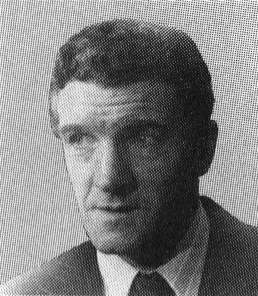
Bill Foulkes
| Category | Football |
|---|---|
| Dates | Worked at Lea Green Colliery, early-mid 1950s until October 1954; Munich air disaster 6 Feb 1958; European Cup won 29 May 1968 |
A Manchester United centre-half who survived the 1958 Munich air disaster and captained the club to the 1968 European Cup, having spent the first years of his career working full shifts at Lea Green Colliery in St Helens and commuting straight to evening training.
The mining history in this record
William Anthony Foulkes was born on 5 January 1932 in St Helens, Lancashire, and joined Manchester United's youth setup in March 1950, turning professional in August 1951. While establishing himself in United's first team through the early-to-mid 1950s, he continued working at Lea Green Colliery — by his own account, as 'assistant manager in a coal mine', earning more from that job than he did playing for Manchester United. Describing the routine in his book The Busby Babes, Men of Magic, Foulkes recalled doing 'a full shift down the mine, starting at 5.30 in the morning and finishing at 2.30 in the afternoon', then showering at the pithead, grabbing something to eat, and frequently dashing for a train to Manchester for evening training — 'with a life like this I was fitter than many full-time professional footballers.' He finally gave up mining after winning his first England cap in October 1954.
Foulkes went on to survive one of English football's defining tragedies: the Munich air disaster of 6 February 1958, in which the aircraft carrying Manchester United back from a European Cup tie crashed on a third takeoff attempt, killing 23 people including seven United players. Foulkes pulled himself from the wreckage and helped rescue other survivors, including Bobby Charlton, before immediately being made captain following the death of Roger Byrne. Ten years later, at Manchester United's fourth attempt at the European Cup since Munich, Foulkes scored the goal that took United into the 1968 final — equalising away to Real Madrid in the semi-final second leg — and played throughout the final itself, a 4-1 extra-time win over Benfica at Wembley, finally winning the trophy the disaster had once threatened to put beyond United's reach entirely.
People
Bill Foulkes himself; his account of the mining period is drawn from his own book, The Busby Babes, Men of Magic.
Legacy today
Foulkes made 688 appearances for Manchester United across 18 seasons, still the club's fourth-highest all-time total, and remains one of the defining figures of the club's recovery from Munich — a story his own mining background, and the specific discipline of combining a full colliery shift with top-flight training, is a genuinely documented part of, not just background colour.
Recorded claims
Individual factual claims, each tagged with how solidly it's grounded and attached to the source(s) that support it. Where sources disagree, both are kept.
- Foulkes worked at Lea Green Colliery, St Helens, describing himself as 'assistant manager in a coal mine', while establishing himself in Manchester United's first team, and earned more from that job than from football. (documented fact) 1,2
- Foulkes described doing a full shift down the mine from 5.30am to 2.30pm, showering at the pithead, then frequently catching a train to Manchester for evening training. (contemporary account) 1
- Foulkes gave up mining after winning his first England cap in October 1954, finally committing fully to professional football. (documented fact) 2
- Foulkes survived the 6 February 1958 Munich air disaster, helped pull other survivors from the wreckage, and was immediately made club captain following Roger Byrne's death. (documented fact) 2
- Foulkes scored in the second leg of the 1968 European Cup semi-final against Real Madrid, helping send Manchester United into the final, which they won 4-1 after extra time against Benfica. (documented fact) 2
Regions
Commodities
Sources
- (secondary) Football in the pits: when Manchester United & Co. were fuelled by Britain's mines — FourFourTwo
- (secondary) Bill Foulkes — Wikipedia
Record created: 27 August 2026 · Last researched: 27 August 2026